Decluttering your home is more than just a cleaning task; it’s a way to create a more organized, peaceful, and functional living space. Whether you’re overwhelmed by clutter or just looking to simplify your surroundings, this guide will provide you with the tools and strategies to declutter effectively.
1. Understanding the Benefits of Decluttering
Decluttering offers numerous benefits, both for your physical space and your mental well-being:
- Reduced Stress: A cluttered environment can be overwhelming and stressful. Decluttering helps to create a calm, orderly space that promotes relaxation and peace of mind.
- Improved Focus and Productivity: A clean and organized space can enhance your ability to focus and be productive. When everything is in its place, you spend less time searching for items and more time getting things done.
- Easier Cleaning: Decluttered spaces are easier to clean and maintain. With fewer items to dust, wipe, and move around, regular cleaning becomes a more manageable task.
2. Getting Started: The Preparation Phase
Before you begin decluttering, it’s important to prepare yourself and your space:
- Set Clear Goals: Determine what you want to achieve through decluttering. Whether it’s clearing out a specific room, creating more storage space, or simply reducing the number of items you own, having clear goals will keep you focused.
- Gather Supplies: Prepare boxes or bags labeled “Keep,” “Donate,” “Sell,” and “Trash.” Having these categories ready will streamline the sorting process.
- Start Small: Begin with a small area or a single room. This approach prevents you from becoming overwhelmed and allows you to see progress quickly.
3. Decluttering Room by Room
Tackling your home room by room is an effective way to approach decluttering. Here’s a breakdown of how to handle different areas:
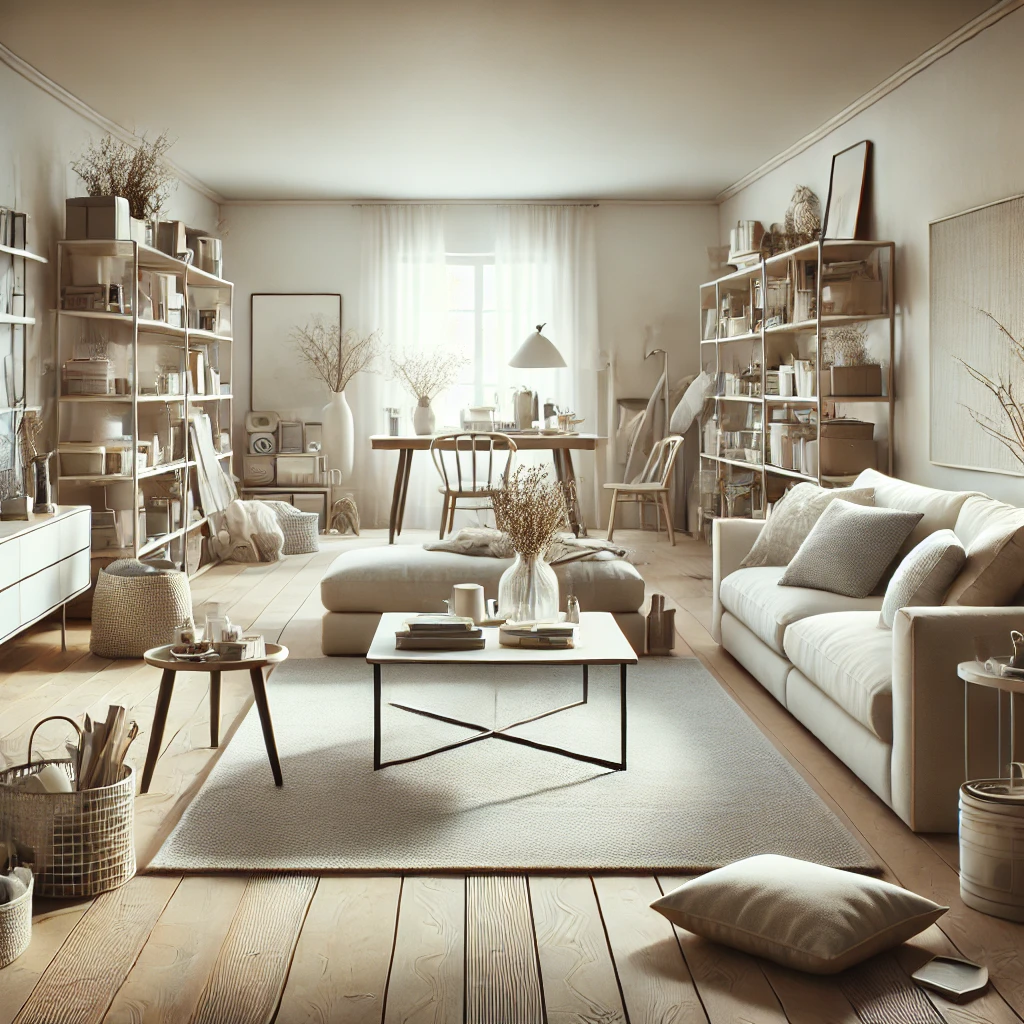
- Living Room: Start with visible surfaces like coffee tables, shelves, and entertainment units. Remove items that don’t belong or aren’t used regularly. Store or donate items that no longer serve a purpose.
- Bedroom: Focus on decluttering your wardrobe. Remove clothes you haven’t worn in the past year or that no longer fit. Organize your wardrobe by type of clothing or by season to make it easier to find what you need.
- Kitchen: Clear out expired food, duplicate utensils, and gadgets you rarely use. Organize your pantry by grouping similar items together and using storage containers to keep things tidy.
- Bathroom: Get rid of expired cosmetics, medications, and products you no longer use. Store daily essentials within easy reach and keep less frequently used items in cabinets or drawers.
- Home Office: Sort through paperwork, discard what you don’t need, and file important documents. Organize your desk to keep only the essentials at hand, and consider digital storage solutions to reduce paper clutter.
4. Decision-Making Tips: What to Keep and What to Let Go
One of the hardest parts of decluttering is deciding what to keep and what to let go. Here are some tips to help you make those decisions:
- Use the “One-Year Rule”: If you haven’t used an item in the past year, consider letting it go. Exceptions can be made for seasonal items or things with sentimental value.
- Evaluate Sentimental Items: For items with sentimental value, consider whether they add joy to your life or if they’re just taking up space. If you’re not ready to let go, consider creating a memory box for special keepsakes.
- Ask Yourself “Why?”: For each item, ask yourself why you’re keeping it. If the answer is based on guilt, obligation, or fear of needing it “someday,” it might be time to part ways.
5. Managing and Maintaining a Clutter-Free Home
Once you’ve decluttered your home, it’s important to implement habits that will help you maintain a clutter-free environment:
- Adopt a “One In, One Out” Rule: For every new item you bring into your home, commit to removing an old one. This practice helps prevent clutter from accumulating again.
- Regular Decluttering Sessions: Schedule regular decluttering sessions, whether it’s once a month or seasonally. This keeps clutter from building up and helps you stay on top of your belongings.
- Create a Designated Space for Everything: Ensure that every item in your home has a designated space. This makes it easier to put things away and reduces the temptation to leave items out.
6. Selling, Donating, and Recycling
As you declutter, you’ll likely come across items that are still in good condition but no longer needed. Here’s how to handle them:
- Selling: Consider selling valuable items through online marketplaces like eBay, Facebook Marketplace, or local classified ads. Selling unwanted items can also provide extra cash.
- Donating: Donate items in good condition to local charities, shelters, or thrift stores. This not only helps others but also keeps usable items out of landfills.
- Recycling: Recycle items that can’t be donated or sold. Check with your local recycling center for guidelines on what can be recycled.
Conclusion
Decluttering your home is a transformative process that can lead to a more organized, stress-free living environment. By taking a strategic approach, starting small, and making thoughtful decisions about what to keep, you can create a space that truly reflects your needs and lifestyle. With regular maintenance, your home can remain clutter-free, making it a more enjoyable place to live.
Also, if you’re looking for more tips and insights, visit our blog . If you need professional cleaning services in the Northamptonshire area, get in touch with us today using our contact form.