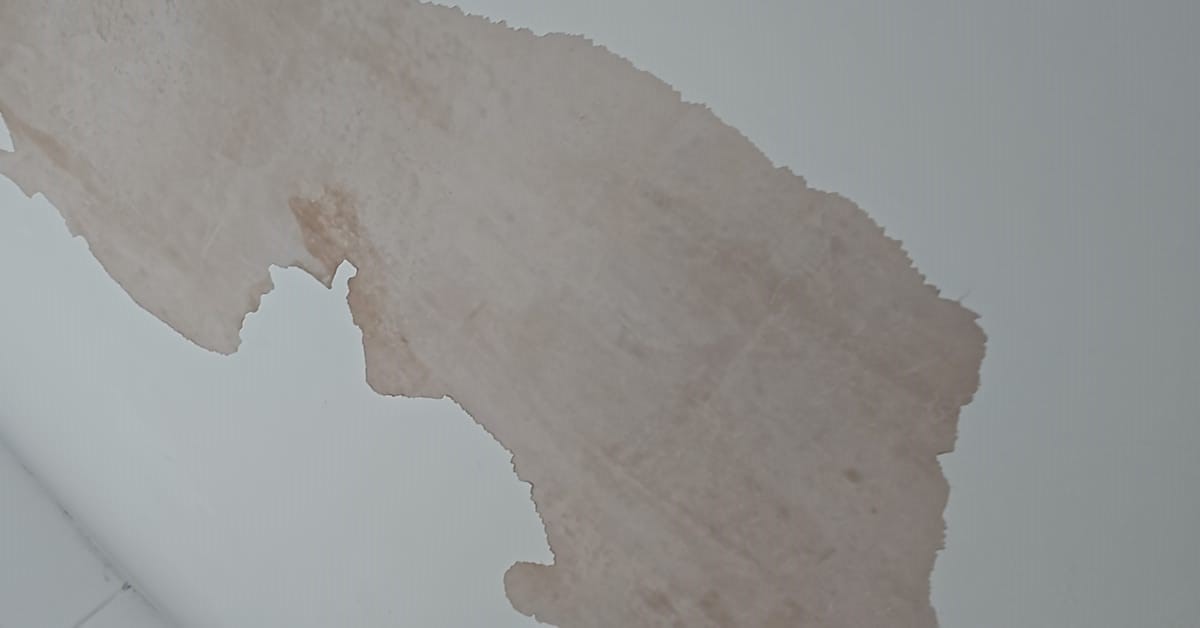
Peeling paint is one of the most common issues homeowners encounter, whether it’s in the living room, bedroom, or even outdoors. While it can happen anywhere in your home, the causes are often similar—moisture, temperature changes, and poor surface preparation being the usual culprits.
But if there’s one area where paint peeling is almost guaranteed, it’s in the bathroom, especially on the ceiling. This spot tends to face the harshest conditions with constant steam, moisture, and temperature changes. Because it’s such a frequent problem, I’ll dive deeper into why this happens and how to fix it effectively.
Why Does Paint Peel in the First Place?
- Moisture and Humidity:
Paint loses adhesion when exposed to excess moisture over time. This can happen due to leaks, high humidity, or even condensation. Areas like kitchens, bathrooms, or spaces with poor ventilation are especially prone to this. - Temperature Fluctuations:
Sudden changes in temperature—such as heating up a cold room in winter—can cause the paint to expand and contract. Over time, this weakens the bond between the paint and the surface, leading to peeling. - Using the Wrong Paint Type:
Not all paints are created equal. For high-moisture areas, like bathrooms or laundry rooms, regular interior paint isn’t enough. It’s essential to use moisture-resistant or mold-resistant paint to ensure durability. - Poor Surface Preparation:
Peeling often starts when the surface wasn’t cleaned, sanded, or primed properly before painting. Dust, grease, or existing loose paint can prevent the new layer from sticking properly.
Peeling Paint in Bathrooms: The Most Common Case
Bathrooms, particularly ceilings, are the perfect storm for peeling paint. Why? Because they experience constant exposure to moisture and steam from showers or baths, paired with poor ventilation in many cases.
Why Bathrooms Are Prone to Peeling Paint:
- Steam and Condensation: The constant buildup of steam creates a humid environment that attacks the paint over time. This is especially true during winter when hot showers meet cold surfaces, causing even more condensation.
- Lack of Ventilation: Bathrooms without proper exhaust fans or windows trap moisture, allowing it to seep into the paint.
- Improper Paint Selection: Using standard interior paint in a bathroom is a recipe for peeling. Over time, it simply can’t handle the moisture and will start to bubble and flake.
How to Fix and Prevent Peeling Paint in Bathrooms
If you’re dealing with peeling paint in your bathroom, here’s how to tackle it step by step:
- Remove the Peeling Paint:
Scrape off any loose or peeling paint to create a clean, smooth surface. Sand the area to blend rough edges. - Clean the Surface Thoroughly:
Wash the area with a mild detergent to remove dirt, grease, or mold. Let it dry completely before moving to the next step. - Apply a Primer:
Use a primer specifically designed for high-moisture areas. This creates a strong foundation for your paint and prevents moisture from seeping through. - Use Mold-Resistant Bathroom Paint:
Invest in high-quality bathroom paint designed to resist moisture and mold. It’s worth the extra cost to ensure a durable finish. - Improve Ventilation:
Install an exhaust fan or ensure your existing one is functioning properly. Run the fan during and after showers to remove excess moisture from the air.
Why Winter Worsens Peeling Paint
Winter conditions can make peeling paint more noticeable. The combination of colder temperatures outside and warmer air inside creates condensation, especially in bathrooms. Additionally, homes tend to be more sealed during winter, reducing airflow and increasing moisture buildup.
This is why it’s especially important to address peeling paint during the colder months to prevent further damage.
Get Professional Help
If peeling paint feels like more than you can handle, hiring a professional painter is your best option. They’ll ensure the job is done right, from proper surface preparation to using the right materials. Plus, a professional can help identify underlying issues, like poor ventilation or hidden mold, to prevent the problem from returning.
If you’re in Northamptonshire, we’d be happy to help! At Natly Services, we specialize in painting and cleaning services designed to refresh and protect your home.