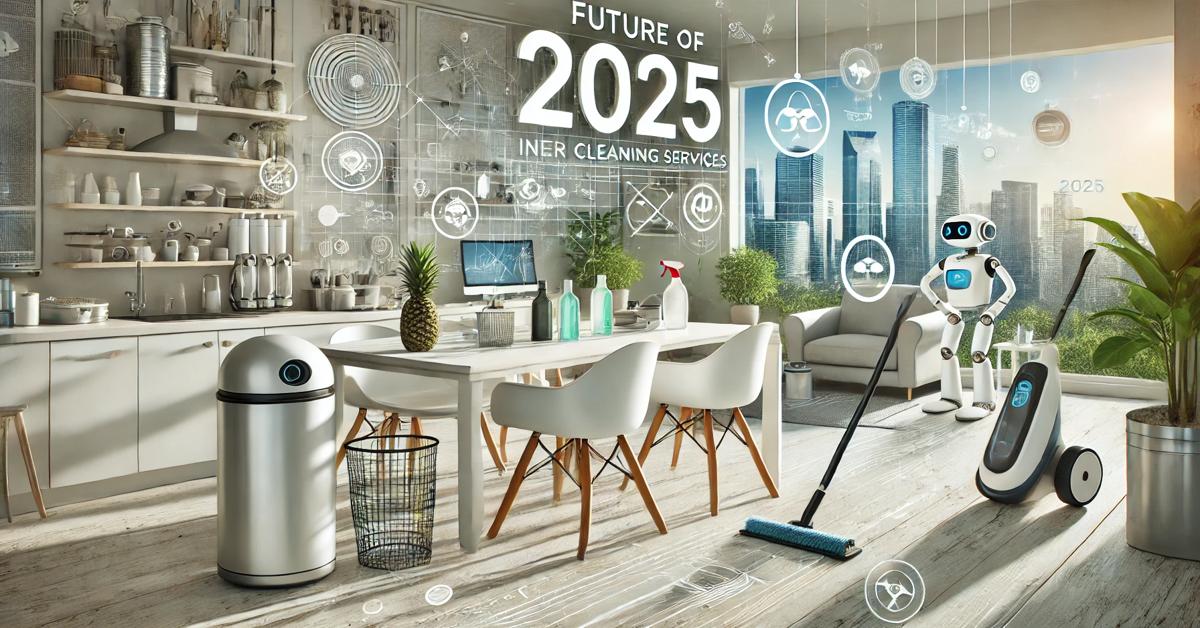
The cleaning industry has seen steady growth over the years, but as we head into 2025, many business owners and professionals are wondering whether the sector will become more competitive—and what shifts might drive these changes. With advancements in technology, changes in consumer expectations, and evolving environmental considerations, the cleaning business may face both new challenges and exciting opportunities in the coming years.
Here’s a closer look at what could make the cleaning industry more competitive in 2025 and how businesses can adapt to stay ahead.
1. Increased Demand for Specialized Cleaning Services
As we move toward 2025, there’s growing demand for specialized cleaning services. This trend is driven by consumers seeking more than just basic cleaning—whether it’s deep cleaning, eco-friendly cleaning, or even post-construction cleanup. Clients are now more likely to request specific types of services tailored to their unique needs.
- What could change: General cleaning services may face more competition as businesses begin to diversify into niche markets. Offering specialized services such as high-end deep cleaning, carpet care, or move-in/move-out services could become essential for standing out in a crowded marketplace.
- How to adapt: Cleaning businesses should consider expanding their service offerings to include more tailored options that appeal to a broader range of clients. This could help them attract new customers and retain existing ones who are seeking specialized care.
2. Eco-Friendly and Sustainable Cleaning Solutions Will Gain Popularity
Environmental consciousness is expected to continue its upward trend, with consumers becoming more mindful of eco-friendly products and sustainable practices. Green cleaning, which focuses on using non-toxic, biodegradable cleaning agents, will likely see increased demand as more people look to reduce their environmental footprint.
- What could change: Companies that fail to adopt sustainable practices may find themselves falling behind as consumers become more selective. Eco-friendly cleaning services are no longer just a trend—they’re fast becoming a necessity.
- How to adapt: Businesses should consider offering green cleaning options, highlighting their use of environmentally responsible products and methods. Certifications for eco-friendly practices may also become a point of differentiation in an increasingly competitive market.
3. Rise of Technology and Automation in the Cleaning Industry
Technology is rapidly advancing, and the cleaning industry is no exception. From robotic vacuums to advanced cleaning software that tracks tasks and schedules, technology is set to play a larger role in 2025.
- What could change: Automation and AI-powered cleaning tools will likely lead to more efficient operations and faster job completion. However, this could also mean increased competition, as smaller businesses gain access to tools that allow them to operate more efficiently with fewer employees.
- How to adapt: Businesses should stay ahead of the curve by investing in cleaning technology that improves efficiency and productivity. Incorporating tech-based solutions like online booking, customer management systems, and automated cleaning tools can give companies a competitive edge in 2025.
4. Growing Demand for Hygiene and Disinfection Services
The COVID-19 pandemic significantly heightened the demand for hygiene and disinfection services, and this trend is expected to continue into 2025. Many businesses and homeowners now place a greater emphasis on thorough sanitization, particularly in high-traffic areas or shared spaces.
- What could change: Cleaning companies that focus on general tidying may find it harder to compete with businesses that emphasize disinfection and hygiene. The ability to offer specialized sanitization services for offices, homes, and commercial properties will likely become a key selling point.
- How to adapt: Businesses should promote their expertise in hygiene and sanitization, highlighting any certifications or training in disinfection services. Offering both cleaning and sanitization in one package can help attract a wider client base.
5. Increasing Client Expectations for Quality and Transparency
With online reviews and ratings playing a larger role in consumer decision-making, client expectations for quality and transparency will continue to rise. Customers now expect higher standards, from reliable service delivery to clear pricing structures and strong communication.
- What could change: Businesses that lack consistency in quality or fail to deliver on promises may struggle to retain customers. Meanwhile, competitors who excel in customer service, transparent pricing, and delivering on their promises will rise to the top.
- How to adapt: To stay competitive, cleaning businesses should focus on improving customer experience by ensuring consistent quality, timely communication, and transparent pricing. A strong online presence, complete with positive reviews and testimonials, can help build trust and attract more clients.
6. More Small Cleaning Startups Entering the Market
The barrier to entry for starting a cleaning business is relatively low, which could lead to an influx of small startups trying to gain a foothold in the industry. With more businesses entering the market, competition could increase, making it harder for established companies to maintain their market share.
- What could change: Established businesses may face growing competition from smaller startups offering lower prices or specialized services. However, these new entrants may lack the experience or customer loyalty that established businesses have built over time.
- How to adapt: Long-standing cleaning companies should leverage their reputation and experience, focusing on building strong relationships with clients through consistent, reliable service. Offering unique services or loyalty programs can help retain customers in the face of new competition.
How Cleaning Businesses Can Stay Competitive in 2025
As competition in the cleaning industry grows, businesses will need to adapt to meet changing demands and expectations. Here are some strategies to help stay competitive:
- Embrace technology: From automated scheduling to AI-powered cleaning tools, incorporating technology can improve efficiency and enhance customer experience.
- Focus on specialization: Offering niche services, such as eco-friendly cleaning, sanitization, or post-construction cleanup, can set a business apart from the competition.
- Prioritize sustainability: Adopting green practices will not only appeal to eco-conscious clients but can also help future-proof your business.
- Improve customer experience: Transparent pricing, consistent quality, and great communication will be key to retaining clients in an increasingly competitive market.
- Stay adaptable: The ability to pivot and adjust to new trends will be crucial for long-term success in the industry.
Final Thoughts
The cleaning industry is likely to become more competitive in 2025 as client expectations evolve, technology advances, and new startups enter the market. However, with the right strategies, established cleaning businesses can not only survive but thrive. By embracing technology, expanding service offerings, and maintaining high standards of quality and transparency, cleaning businesses can stay ahead of the competition and continue to grow in the coming years.
If you’re in Northamptonshire and looking for expert cleaning services, Natly Services is here to help. We stay ahead of the trends, ensuring that our clients always receive top-quality service. Contact us today for a free quote!