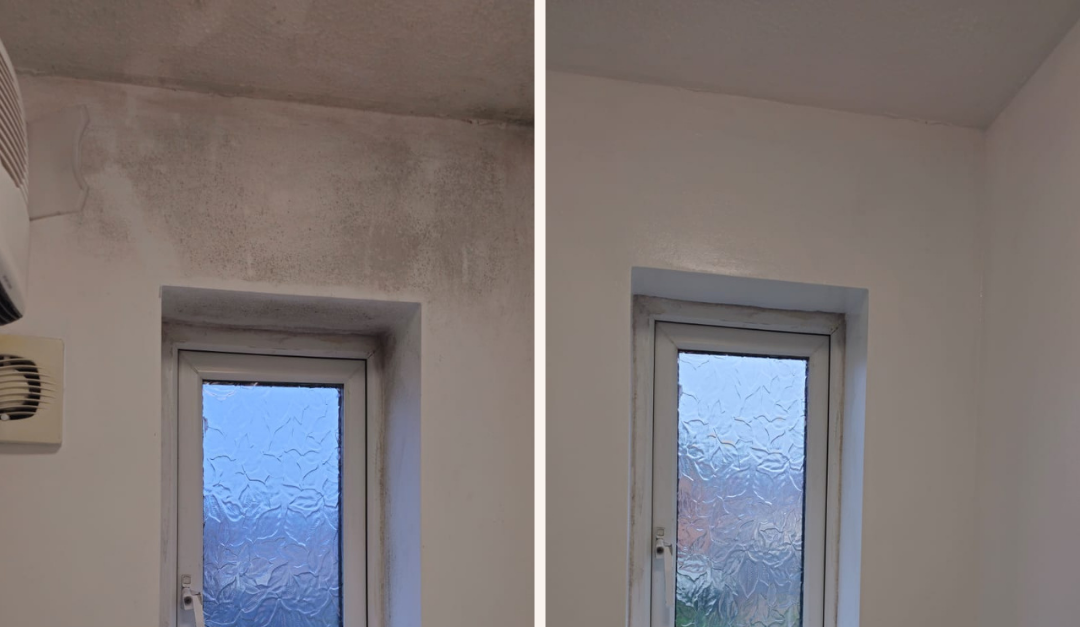
Mould is one of those unwelcome guests no one wants in their home, yet it tends to show up in many households. Understanding why it happens, how to prevent it, and how to tackle it is crucial for maintaining a healthy living environment. Let’s break it down and help you address this issue once and for all.
Where Does Mould Appear Most Often?
The most common areas for mould growth are kitchens and bathrooms, and it’s no surprise why. Steam from cooking and hot showers creates moisture, which, without proper ventilation, clings to walls and ceilings, creating the perfect environment for mould to thrive.
But that’s not the only place. Mould can also:
- Appear behind furniture when it’s placed too close to the wall, trapping moisture.
- Show up near windows due to condensation, especially during colder months.
- Occur in poorly ventilated attics, basements, or anywhere moisture builds up.
Why Does Mould Happen?
Mould thrives in moist, warm, and stagnant environments. Here are the main culprits:
- Poor Ventilation: If your bathroom fan isn’t doing its job or your home lacks airflow, moisture has nowhere to escape.
- Improper Bathroom Fan Maintenance: Fans clogged with dust can’t perform effectively. Make sure you clean yours regularly to keep it efficient.
- Blocked or Damaged Pipes: Sometimes, bathroom exhaust pipes lead to the attic or outside. If the pipe isn’t straight, water can collect, reducing effectiveness and inviting mould.
- Humidity Levels: Homes with high moisture levels (often in winter) are breeding grounds for mould.
- Condensation: On cold surfaces like windows or walls, condensation can encourage mould growth.
How Dangerous Is Mould?
Mould isn’t just unsightly; it can be a serious health hazard.
- Breathing Issues: Prolonged exposure to mould spores can trigger asthma, allergies, or other respiratory problems.
- General Discomfort: Mould can cause irritation to the skin, eyes, nose, and throat.
- Worsened Conditions: For those with weakened immune systems, mould exposure can lead to more severe complications.
How to Prevent Mould
Here are some practical steps you can take to stop mould from invading your home:
- Ventilation: Always open windows or use exhaust fans in kitchens and bathrooms. Clean the fan regularly to keep it working.
- Move Furniture: Leave a small gap between walls and furniture to allow air to circulate.
- Dehumidifiers: If your home feels damp, a dehumidifier can help control moisture. Look for one with good energy efficiency, large water tank capacity, and an automatic shut-off feature. While they can help reduce mould, keep in mind that they may increase your electricity bill slightly.
- Mould Sprays: Don’t let mould linger. Use a mould spray immediately when you spot it to prevent it from spreading.
What to Do If You Have Mould
If mould is already present:
- Clean it as soon as possible using a mould spray or a mixture of water and vinegar.
- Ensure the affected area is thoroughly dried afterward.
- Check for the source of moisture and address it.
If you’re unsure how to handle it or feel the problem is too large, it’s always a good idea to contact a professional for assistance.
Need Help?
At Natly Services, we understand the impact mould can have on your home. If you’re in Northamptonshire and need advice or assistance, we’re here to help. Whether it’s painting over previously damaged areas or helping you maintain a mould-free home, feel free to reach out.
👉 Contact us here: natlyservices.uk/contact
Stay mould-free, stay healthy!