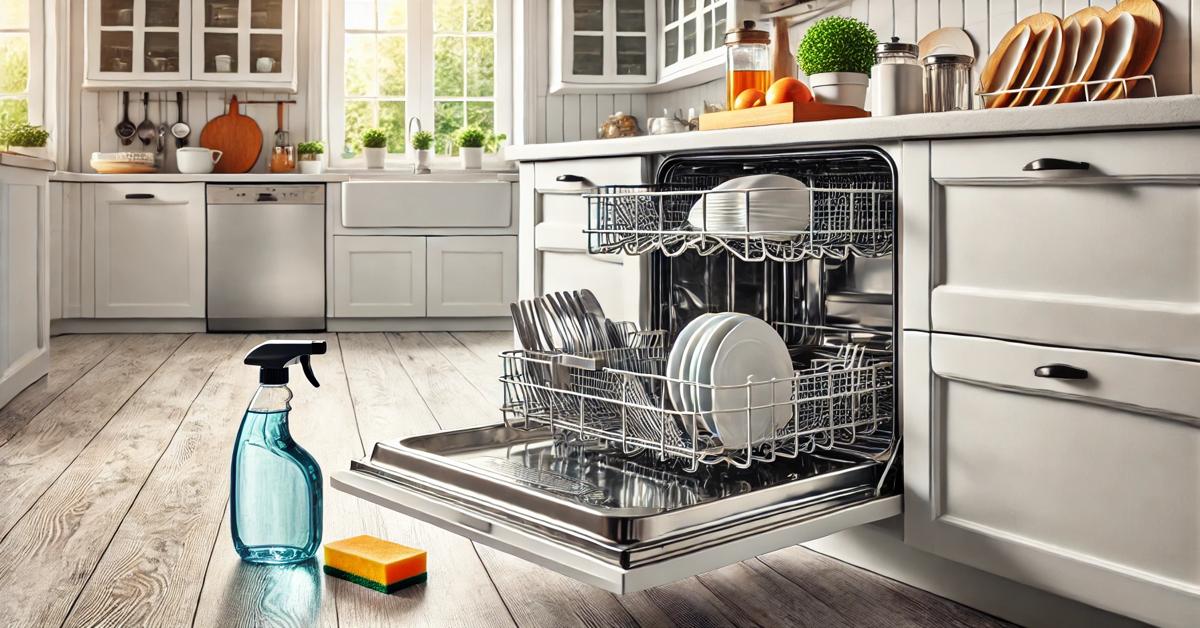
Your dishwasher works hard to keep your dishes clean, but when was the last time you cleaned your dishwasher? Many people assume that their dishwasher doesn’t need cleaning since it’s regularly exposed to soap and water. However, food particles, grease, and soap scum can build up over time, leading to unpleasant odors, reduced efficiency, and even mold growth. Here’s why it’s important to clean your dishwasher regularly and how to do it effectively.
1. Why Cleaning Your Dishwasher Is Essential
- Prevent Buildup and Blockages: Over time, food particles, grease, and soap scum can accumulate in your dishwasher’s filter, spray arms, and interior walls. This buildup can clog the drainage system, preventing water from circulating properly and affecting the cleaning performance.
- Eliminate Unpleasant Odors: If you’ve noticed a bad smell coming from your dishwasher, it’s likely due to trapped food particles and bacteria. Regular cleaning removes these odor-causing agents, leaving your dishwasher smelling fresh.
- Improve Efficiency and Longevity: A clean dishwasher operates more efficiently, using less energy and water to clean your dishes. This not only reduces your utility bills but also extends the lifespan of the appliance by reducing wear and tear on its components.
- Maintain Hygienic Standards: A dirty dishwasher can harbor mold, mildew, and bacteria, which can transfer onto your dishes and utensils. Regular cleaning ensures your dishwasher remains a hygienic environment, keeping your dishes truly clean and safe to use.
2. How Often Should You Clean Your Dishwasher?
- Weekly: Wipe down the door seals and edges with a damp cloth to remove any food particles or residue. Check the filter at the bottom of the dishwasher and remove any trapped food particles to prevent odors and blockages.
- Monthly: Run a deep clean using dishwasher cleaner or a homemade solution (like vinegar and baking soda) to remove grease, limescale, and buildup from the interior.
- Every 6 Months: Check and clean the spray arms to ensure they are free from blockages. Inspect the drain for any buildup and clean it thoroughly to prevent clogs.
3. Steps to Clean Your Dishwasher Effectively
Step 1: Clean the Filter
Remove the filter at the bottom of your dishwasher and rinse it under warm water. Use a soft brush or toothbrush to scrub away any trapped food particles, grease, or debris. Cleaning the filter regularly is crucial for maintaining your dishwasher’s performance.
Step 2: Wipe Down the Interior
Wipe down the inside walls, door, and door seal with a damp cloth or sponge. Use mild dish soap and warm water to remove any grease or residue. Pay special attention to the rubber gasket around the door, which can accumulate grime over time.
Step 3: Clean the Spray Arms
Remove the spray arms and inspect the nozzles for any blockages. Use a toothpick or a small brush to remove any debris or buildup that may be clogging the holes. Clean spray arms ensure water flows freely and reaches all parts of your dishwasher.
Step 4: Run a Cleaning Cycle
Place a cup of white vinegar in a dishwasher-safe container on the top rack and run a hot water cycle. Vinegar helps break down grease, limescale, and odor-causing bacteria. After the cycle is complete, sprinkle baking soda on the bottom of the dishwasher and run a short hot water cycle to eliminate any remaining odors and stains.
Step 5: Inspect and Clean the Drain
Check the drain at the bottom of the dishwasher for any debris or buildup that could cause blockages. Remove any visible particles and rinse the drain with warm water to keep it clear.
4. Additional Tips for Keeping Your Dishwasher Clean
- Scrape Off Food Residue: Before loading your dishwasher, scrape off excess food from plates and utensils to prevent particles from accumulating in the filter and spray arms.
- Use Dishwasher Cleaner: Consider using a dishwasher cleaner once a month to keep your appliance in optimal condition. Look for cleaners specifically designed to remove limescale, grease, and buildup.
- Leave the Door Ajar: After running a cycle, leave the dishwasher door slightly open to allow moisture to escape and prevent mold or mildew growth.
Conclusion
Cleaning your dishwasher regularly is essential for maintaining its efficiency, hygiene, and longevity. By following these simple steps, you can keep your dishwasher running smoothly, eliminate unpleasant odors, and ensure your dishes are genuinely clean every time. Make dishwasher cleaning a part of your routine, and enjoy sparkling results!
Need help with deep cleaning around the house? Contact Natly Services (Northamptonshire area) today to schedule a professional cleaning that covers every corner of your home! Visit natlyservices.uk/contact or call us at 07547618624.