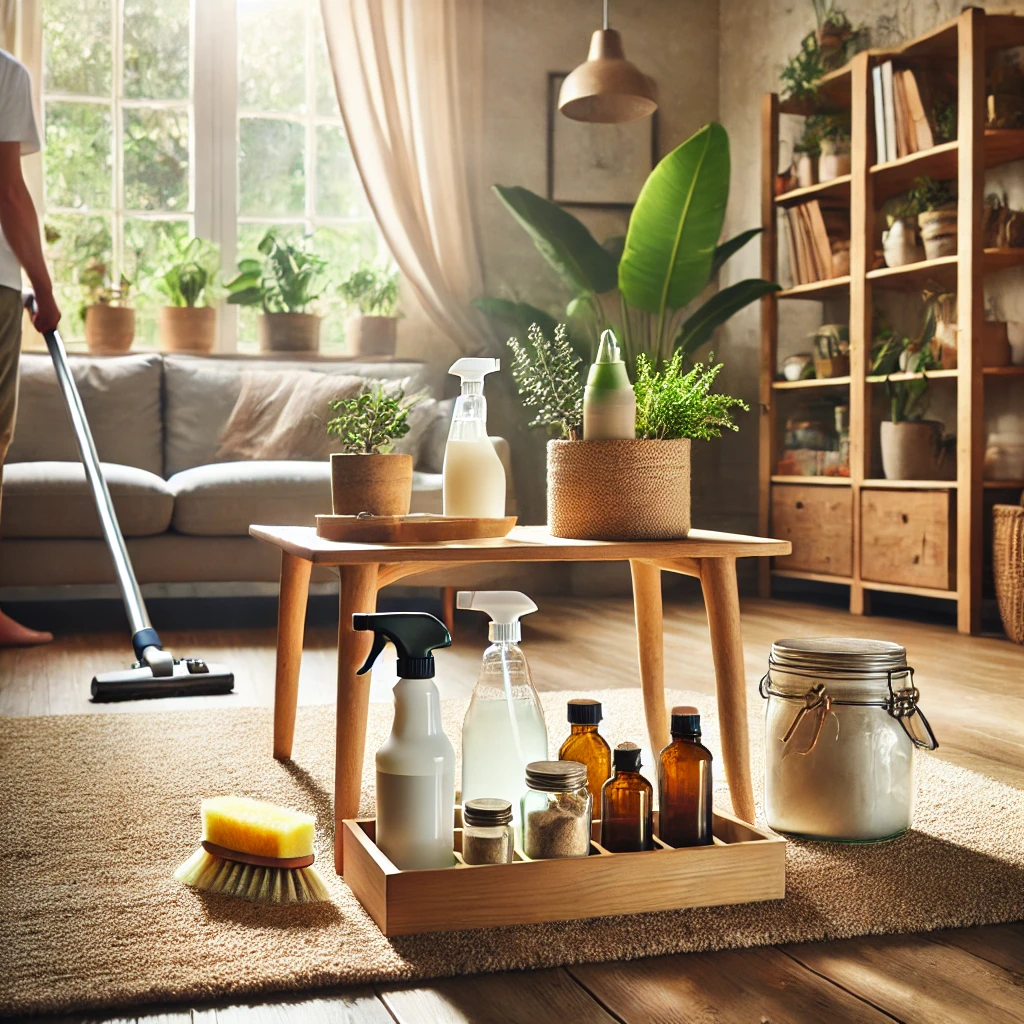
As we move into 2024, more families are embracing sustainable living, and this trend extends to how we clean our homes. Eco-friendly cleaning practices are not only good for the environment, but they also contribute to a healthier indoor space, free from harsh chemicals that can impact our well-being. Whether you’re looking to reduce your environmental footprint or simply create a safer home for your family, this guide will help you adopt green cleaning practices with ease.
The Rise of Green Cleaning
Green cleaning is no longer just a trend – it’s becoming the standard. With growing awareness of the harmful effects that traditional cleaning products can have on both health and the environment, many people are switching to green alternatives. These products are typically made from natural ingredients, such as plant-based extracts and essential oils, and are free from toxic chemicals like ammonia, chlorine, and phthalates.
Why Go Green?
- Health Benefits: Green cleaning products reduce the risk of respiratory issues, skin irritation, and other health problems associated with chemical exposure.
- Environmental Impact: By choosing biodegradable and non-toxic products, you minimize pollution and reduce your carbon footprint.
- Cost-Effective: Many eco-friendly products can be made at home using simple, inexpensive ingredients like vinegar, baking soda, and lemon.
Popular Green Cleaning Products to Try:
- Vinegar-based all-purpose cleaners
- Plant-based dish soaps
- Essential oil air fresheners
DIY Cleaning Products You Can Make at Home
One of the most rewarding aspects of green cleaning is the ability to make your own cleaning products. DIY cleaners are not only cost-effective, but they also allow you to control the ingredients, ensuring that no harmful chemicals are used. Here are some simple recipes to get you started:
All-Purpose Cleaner:
- Ingredients: 1 part water, 1 part white vinegar, a few drops of your favorite essential oil (e.g., lemon, lavender).
- Instructions: Mix the ingredients in a spray bottle and use it to clean countertops, windows, and other surfaces.
Baking Soda Scrub:
- Ingredients: Baking soda, water.
- Instructions: Combine baking soda with a small amount of water to form a paste. Use this paste to scrub sinks, tubs, and stubborn stains.
Glass Cleaner:
- Ingredients: 1 part vinegar, 1 part water, a few drops of essential oil.
- Instructions: Mix in a spray bottle and use it on glass surfaces for a streak-free shine.
These DIY products are safe for children and pets, and they work just as effectively as commercial cleaners.
Reducing Plastic Waste with Refillable Cleaning Solutions
Plastic waste is a significant environmental issue, and many people are looking for ways to reduce their reliance on single-use plastics. One effective strategy is to switch to refillable cleaning products. Many stores now offer refill stations where you can bring your own containers and fill them with eco-friendly cleaning solutions. This not only reduces plastic waste but also encourages a more sustainable approach to household cleaning.
Tips for Going Plastic-Free:
- Invest in glass or stainless steel containers for your cleaning solutions.
- Look for local stores that offer refill stations for cleaning products.
- Support brands that use minimal or recyclable packaging.
Mindful Cleaning Practices for Mental Well-being
Cleaning is not just about keeping your home tidy; it can also be a mindful activity that promotes mental well-being. By focusing on the task at hand, you can turn cleaning into a form of meditation that reduces stress and improves your mood.
How to Practice Mindful Cleaning:
- Set an Intention: Before you start cleaning, take a moment to set an intention. This could be something as simple as “I want to create a peaceful space for my family.”
- Focus on Your Senses: Pay attention to the smells, sounds, and sensations as you clean. The scent of essential oils, the sound of a scrub brush, and the feeling of warm water can all contribute to a more mindful experience.
- Take Your Time: Cleaning doesn’t have to be rushed. Take your time with each task, and enjoy the process of making your home a sanctuary.
Involving the Family in Sustainable Cleaning
Teaching your children about sustainable cleaning is a great way to instill eco-friendly habits that will last a lifetime. Involving them in household chores can also make cleaning more enjoyable and educational.
Age-Appropriate Cleaning Tasks:
- Toddlers: Help with dusting or wiping down surfaces with a damp cloth.
- School-Age Children: Assist with vacuuming, sorting recycling, or making DIY cleaning products.
- Teens: Take responsibility for specific cleaning tasks, such as cleaning their rooms or helping with laundry.
By making cleaning a family activity, you can teach your children the importance of sustainability while also spending quality time together.
Conclusion
Adopting eco-friendly cleaning practices is a simple yet powerful way to make a positive impact on the environment and your family’s health. Whether you start by switching to green products, making your own cleaners, or reducing plastic waste, every small change contributes to a cleaner, healthier home. Embrace sustainable cleaning in 2024 and enjoy the benefits of a safer, more mindful living space.
Looking for Eco-Friendly Cleaning Services in Northamptonshire?
📞 Contact Natly Services Today:
Facebook: Natly Services
WhatsApp/Mobile: 07547618624
Email: contact@natlyservices.uk or use our contact form
We specialize in eco-friendly, stress-free cleaning services tailored for busy families. Reach out now to schedule your appointment!