Stains are an inevitable part of life, whether it’s a coffee spill on your favorite shirt or a grease spot on the kitchen floor. While some stains can be easily removed, others require a bit more effort and the right technique. Here are the top five methods for tackling tough stains, ensuring your surfaces and fabrics stay clean and stain-free.
- Pre-Treating with a Stain Remover
Pre-treating is one of the most effective ways to tackle tough stains, especially on fabrics. Before washing, apply a high-quality stain remover directly to the affected area. Let the product sit for at least 5-10 minutes before laundering, giving it time to work its magic.
For best results, gently rub the stain remover into the fabric using a soft brush or your fingers. This helps the product penetrate the fibers more effectively. After pre-treating, launder the item as usual, and check the stain before drying. If the stain persists, repeat the process before placing the item in the dryer, as heat can set the stain permanently.
- Using White Vinegar and Baking Soda
White vinegar and baking soda are powerful natural cleaning agents that work wonders on a variety of tough stains. This method is particularly effective for removing stains from fabrics, carpets, and upholstery.
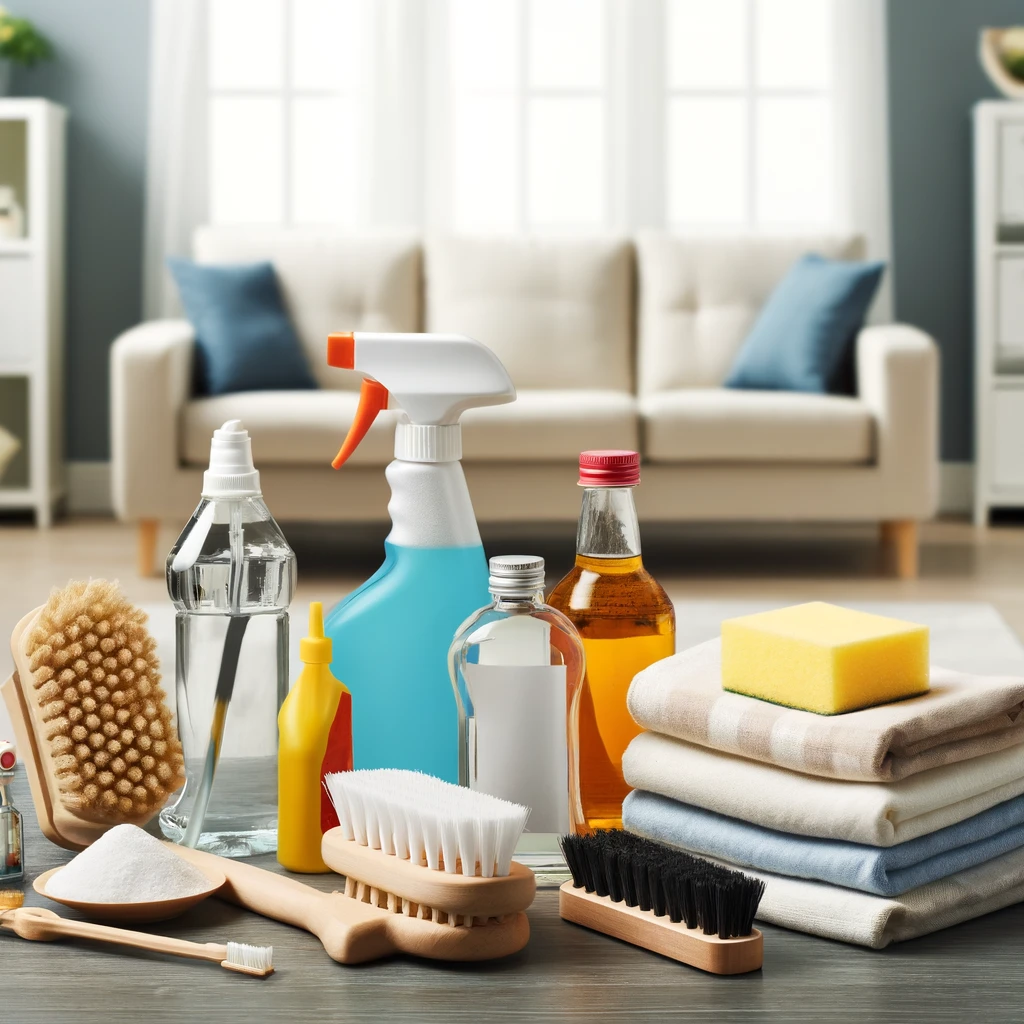
To use, start by sprinkling a generous amount of baking soda over the stain. Then, pour white vinegar over the baking soda. The mixture will fizz as the vinegar reacts with the baking soda, helping to lift the stain from the surface. Let the mixture sit for a few minutes, then blot the area with a clean cloth. Repeat the process as needed until the stain is gone.
For carpet stains, you can also use a brush to work the baking soda and vinegar mixture into the fibers before blotting. After the stain is removed, vacuum the area to remove any remaining baking soda residue.
- Applying Hydrogen Peroxide for Protein-Based Stains
Protein-based stains, such as blood, sweat, or food, can be particularly stubborn. Hydrogen peroxide is a highly effective solution for these types of stains, as it breaks down the protein structure, making it easier to remove.
To use hydrogen peroxide, apply a small amount directly to the stain. Allow it to sit for a few minutes, then blot with a clean cloth. For tougher stains, you can mix hydrogen peroxide with a bit of baking soda to create a paste, which can be gently scrubbed into the stain with a brush.
It’s important to test hydrogen peroxide on an inconspicuous area first, as it can sometimes bleach or lighten certain fabrics and surfaces. Once the stain is treated, rinse the area thoroughly with cold water and launder or clean as usual.
- Using Rubbing Alcohol for Ink and Dye Stains
Ink and dye stains can be particularly challenging to remove, but rubbing alcohol is an effective solution. This method works well on fabrics, upholstery, and even hard surfaces like countertops.
To remove an ink or dye stain, dampen a clean cloth with rubbing alcohol and gently blot the stain. Avoid rubbing, as this can cause the stain to spread. Continue blotting until the stain starts to lift. For larger stains, you may need to use multiple cloths or rinse the cloth between applications.
Once the stain is removed, rinse the area with cold water and launder or clean the item as usual. If dealing with a fabric stain, avoid using heat until the stain is completely gone, as heat can set the dye or ink permanently.
- Using Ammonia for Grease and Oil Stains
Grease and oil stains can be tough to remove, especially from fabrics and upholstery. Ammonia is a powerful cleaning agent that can help dissolve these stubborn stains.
To use ammonia, dilute it with water in a 1:1 ratio. Apply the solution directly to the stain and let it sit for a few minutes. Then, blot the area with a clean cloth, working from the outside of the stain inward to prevent spreading. Continue blotting until the stain is lifted.
For fabric stains, launder the item as usual after treating with ammonia. For upholstery or carpet, rinse the area with cold water and blot dry. Be sure to test ammonia on an inconspicuous area first, as it can be harsh on certain fabrics and surfaces.
Conclusion
Tackling tough stains requires the right approach and products. Whether you’re dealing with fabric, carpet, or hard surface stains, these five methods provide effective solutions for a variety of common issues. By pre-treating stains, using natural solutions like vinegar and baking soda, or turning to powerful agents like hydrogen peroxide and ammonia, you can keep your home and belongings looking clean and stain-free.
If you’re in the Northamptonshire area and need help with keeping your home spotless, get in touch with Natly Services today! We’re here to provide professional cleaning services tailored to your needs. For more tips and insights, don’t forget to visit our blog.