For those who suffer from allergies, maintaining a clean home is crucial for reducing symptoms and improving overall health. Dust, pollen, pet dander, and other allergens can accumulate over time, making it essential to incorporate deep cleaning into your routine. Here are some deep cleaning tips specifically designed to help allergy sufferers breathe easier.
1. Use a HEPA Vacuum
A vacuum cleaner with a HEPA (High-Efficiency Particulate Air) filter is a must for allergy sufferers. HEPA filters are designed to trap 99.97% of particles as small as 0.3 microns, including dust, pollen, and pet dander.
- Vacuum Regularly: Vacuum carpets, rugs, and upholstered furniture at least once a week. For high-traffic areas or homes with pets, consider vacuuming more frequently.
- Don’t Forget Hard Floors: Vacuum hard floors before mopping to remove dust and allergens that can become airborne during cleaning.
2. Wash Bedding Frequently
Bedding can harbor dust mites, a common allergen that can trigger symptoms like sneezing, itching, and congestion.
- Wash Weekly: Wash sheets, pillowcases, and blankets in hot water (at least 60°C) every week to kill dust mites.
- Use Allergen-Proof Covers: Consider using allergen-proof covers on mattresses and pillows to prevent dust mites from accumulating.
3. Clean Curtains and Blinds
Curtains and blinds can trap dust, pollen, and other allergens, so it’s important to clean them regularly.
- Wash or Dry Clean Curtains: Depending on the fabric, either wash or dry clean your curtains every few months. Consider using machine-washable curtains for easier maintenance.
- Dust Blinds: Use a microfiber cloth or a vacuum with a brush attachment to dust blinds. For a deeper clean, wipe them down with a damp cloth and a mild detergent.
4. Declutter Your Home
Clutter can collect dust and make cleaning more difficult, so keep your home as clutter-free as possible.
- Store Items in Closed Containers: Keep items in closed containers or cabinets to minimize dust accumulation.
- Reduce Knick-Knacks: Limit the number of decorative items on shelves and surfaces to reduce dust-trapping surfaces.
5. Deep Clean Carpets and Rugs
Carpets and rugs can trap allergens, so deep cleaning them is essential for allergy relief.
- Steam Clean: Steam cleaning carpets and rugs can remove deeply embedded dirt and allergens. Consider hiring a professional or renting a steam cleaner for a thorough clean.
- Use Area Rugs: If possible, use area rugs that can be easily removed and washed. This makes it easier to keep floors clean and allergen-free.
6. Clean Air Ducts and Vents
Dust and allergens can accumulate in your home’s air ducts and vents, circulating throughout the house.
- Hire a Professional: Consider hiring a professional to clean your air ducts every few years, especially if you notice excessive dust or if your allergies are worsening.
- Clean Vents Regularly: Remove vent covers and clean them with warm, soapy water. Vacuum the area around the vents to remove dust and debris.
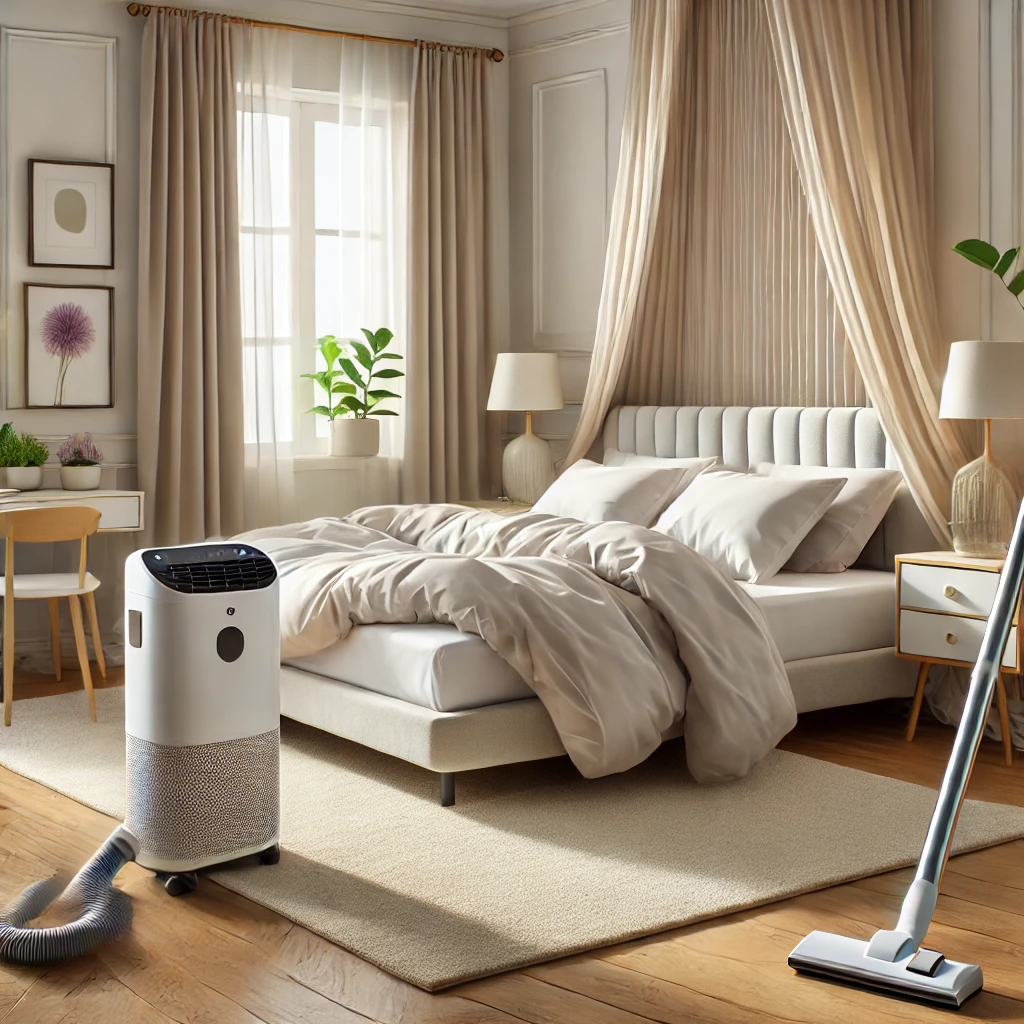
7. Use an Air Purifier
An air purifier with a HEPA filter can help remove airborne allergens from your home, improving indoor air quality.
- Place in Key Areas: Place air purifiers in areas where you spend the most time, such as bedrooms and living rooms.
- Change Filters Regularly: Follow the manufacturer’s instructions for changing the filters to ensure the air purifier works effectively.
8. Wash or Replace Pet Bedding
If you have pets, their bedding can become a source of allergens.
- Wash Weekly: Wash your pet’s bedding in hot water every week to remove pet dander and dust mites.
- Choose Hypoallergenic Bedding: Consider using hypoallergenic pet bedding made from materials that resist allergens.
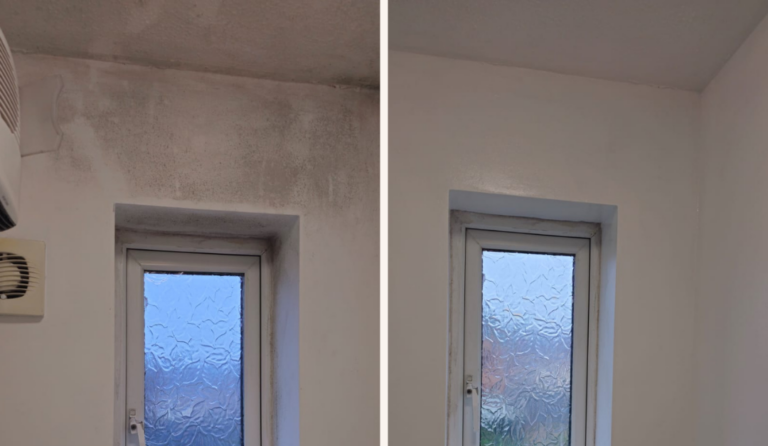
9. Don’t Forget the Walls and Ceilings
Dust and allergens can settle on walls and ceilings, so include them in your deep cleaning routine.
- Dust First: Use a microfiber mop or a vacuum with an attachment to dust walls and ceilings.
- Wipe Down: For a deeper clean, wipe down walls with a damp cloth and a mild detergent. Be sure to dry them thoroughly to prevent mold growth.
Conclusion
For allergy sufferers, deep cleaning is an essential part of maintaining a healthy home environment. By incorporating these tips into your cleaning routine, you can reduce the presence of allergens and breathe easier. Regular cleaning, using the right tools, and focusing on areas where allergens accumulate can make a significant difference in managing allergy symptoms and improving overall comfort in your home.
For more detailed cleaning tips and advice, visit the Natly Services Blog. Also, if you’re looking for a cleaner in the Northamptonshire area, get in touch with us today using our contact form.