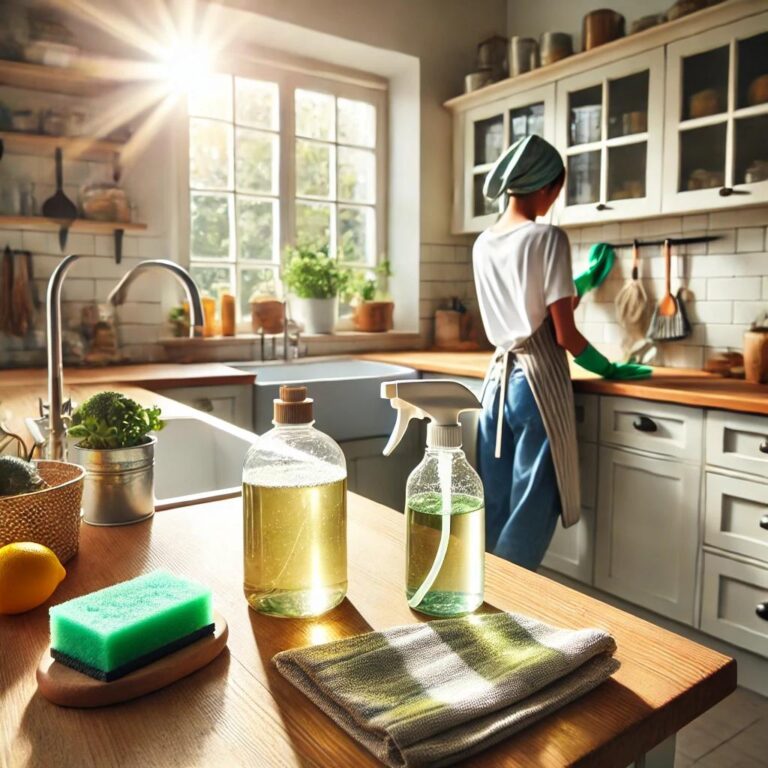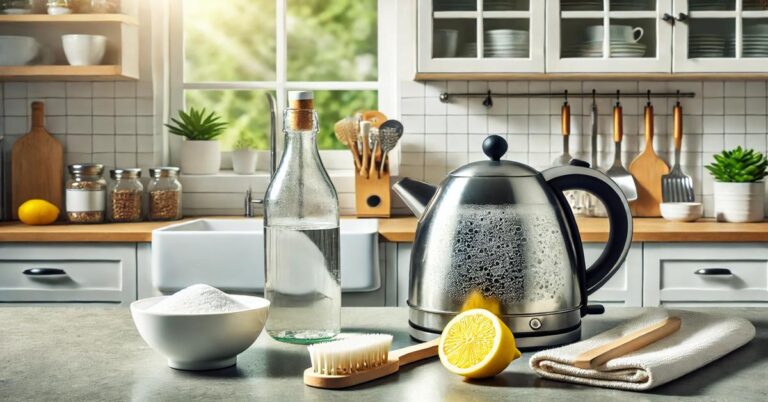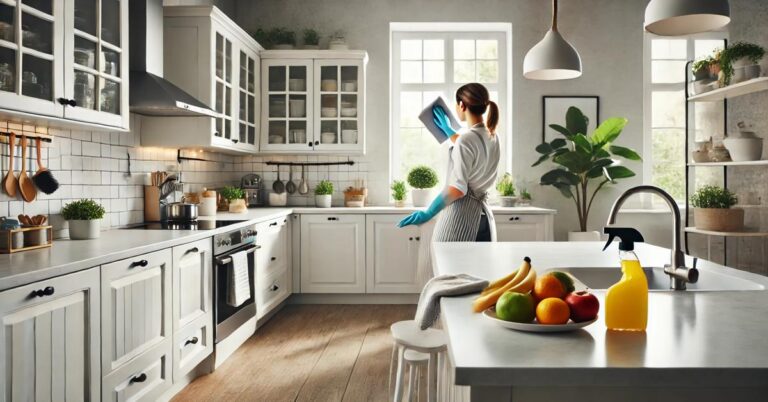
Cleaning might seem straightforward, but there are several common mistakes that can make your efforts less effective or even cause damage to your home. By understanding and avoiding these pitfalls, you can achieve a cleaner, safer, and more efficient cleaning routine. Here are some of the most common cleaning mistakes and tips on how to avoid them.
1. Using the Wrong Cleaning Products
One frequent mistake is using inappropriate cleaning products for specific surfaces. For example, abrasive cleaners can scratch delicate surfaces like glass or stainless steel, and bleach can discolor certain fabrics.
How to Avoid It: Always read the labels on cleaning products to ensure they are suitable for the surface you’re cleaning. If unsure, test the product on a small, inconspicuous area first.
2. Not Allowing Cleaners to Sit Long Enough
Spraying a cleaner and immediately wiping it off can lead to poor results, especially when dealing with tough stains or bacteria.
How to Avoid It: Allow the cleaning product to sit for the recommended time before wiping it off. This gives the active ingredients time to break down dirt, grime, and germs.
3. Using Dirty Cleaning Tools
Dirty cloths, sponges, or mop heads can spread dirt and bacteria rather than remove them, making surfaces dirtier after cleaning.
How to Avoid It: Regularly clean your cleaning tools. Wash cloths and mop heads after each use, replace sponges frequently, and clean your vacuum filter to prevent spreading dirt and germs.
4. Cleaning Windows on a Sunny Day
Cleaning windows on a sunny day might seem like a good idea, but the heat from the sun can cause cleaning solutions to dry too quickly, leading to streaks.
How to Avoid It: Clean your windows on a cloudy day or during the early morning or late evening when the sun isn’t directly shining on the glass.
5. Overloading the Dishwasher
Overloading the dishwasher can prevent proper cleaning as water and detergent may not reach all surfaces.
How to Avoid It: Follow the manufacturer’s guidelines for loading your dishwasher. Ensure that dishes are not blocking the spray arms and that there is enough space between items.
6. Mixing Cleaning Products
Mixing different cleaning products can be dangerous, as some combinations can create toxic fumes, such as bleach and ammonia.
How to Avoid It: Never mix cleaning products unless the label explicitly states that it’s safe to do so. Stick to one product per task, and always use cleaning products in well-ventilated areas.
7. Scrubbing Stains Instead of Blotting
Scrubbing stains can push them deeper into the fabric or carpet fibers, making them harder to remove.
How to Avoid It: Blot stains gently with a clean cloth or paper towel. Apply a stain remover and blot again, repeating as necessary.
8. Forgetting to Clean High-Touch Areas
High-touch areas like light switches, door handles, and remote controls are often overlooked during regular cleaning.
How to Avoid It: Regularly disinfect high-touch areas. Use a disinfectant wipe or spray to clean these surfaces at least once a week.
9. Using Too Much Cleaning Product
Using more cleaning product than recommended doesn’t necessarily result in a cleaner surface and can leave behind a residue.
How to Avoid It: Follow the instructions on the cleaning product’s label for the correct amount to use.
10. Neglecting to Rinse After Cleaning
Failing to rinse off cleaning products can leave a residue that attracts dirt and can be harmful on surfaces like countertops.
How to Avoid It: After cleaning, always rinse surfaces with water if the product label advises it.
11. Ignoring Safety Precautions
Cleaning products can contain harmful chemicals, and many people skip wearing gloves or using proper ventilation.
How to Avoid It: Always follow safety precautions when using cleaning products. Wear gloves, ensure proper ventilation, and store cleaning products safely out of reach of children and pets.
Conclusion Avoiding common cleaning mistakes can make your cleaning routine more effective and safe. By using the right products, tools, and techniques, you can achieve a spotless home without damaging surfaces or risking your health.