With so much cleaning advice available, it can be hard to separate fact from fiction. Some commonly held beliefs about cleaning are not only ineffective but can also be counterproductive. Here, we debunk some of the most common cleaning myths and explain what really works.
1. Myth: Vinegar Cleans Everything
Vinegar is often touted as a miracle cleaner, but it’s not effective for everything.
- The Truth: While vinegar is great for some tasks, like removing hard water stains and cleaning glass, it’s not suitable for all surfaces. Vinegar is acidic and can damage natural stone surfaces like granite and marble. It’s also not effective at killing all bacteria and viruses.
- What Works: Use vinegar for cleaning glass, removing odors, and tackling mineral deposits. For disinfecting and cleaning stone surfaces, use appropriate cleaners designed for those tasks.
2. Myth: More Soap Means a Cleaner Surface
It’s easy to think that using more soap or detergent will result in a cleaner surface, but that’s not the case.
- The Truth: Using too much soap can leave a residue that attracts dirt and makes surfaces sticky. It can also be harder to rinse away, leading to streaks and buildup.
- What Works: Follow the manufacturer’s instructions for the correct amount of soap or detergent to use. Less is often more when it comes to cleaning products.
3. Myth: Bleach is the Best Cleaner for Everything
Bleach is commonly used for cleaning and disinfecting, but it’s not the best choice for every situation.
- The Truth: Bleach is a powerful disinfectant, but it’s not a good cleaner for dirt and grime. It can also damage certain surfaces, like fabrics and metals, and is harmful if inhaled or ingested.
- What Works: Use bleach for disinfecting hard, non-porous surfaces like countertops and sinks. For cleaning dirt and grime, use a general-purpose cleaner or a specialized product designed for the surface you’re cleaning.
4. Myth: Newspaper is Best for Cleaning Windows
Cleaning windows with newspaper is an old trick that many people swear by, but it’s not the most effective method.
- The Truth: Newspaper can leave ink smudges on your hands and potentially on the glass. It’s also not as absorbent as other materials, which can lead to streaking.
- What Works: Use a microfiber cloth or a squeegee for streak-free windows. Microfiber is highly absorbent and won’t leave lint or smudges behind.
5. Myth: Wood Furniture Polish is Necessary for Wood Surfaces
Many people believe that wood furniture polish is essential for maintaining wood surfaces, but it’s not always necessary.
- The Truth: Regular use of wood polish can create a sticky buildup that attracts dust and dirt. Over time, this can make wood surfaces look dull and dirty.
- What Works: Dust wood furniture regularly with a dry or slightly damp microfiber cloth. Use wood polish sparingly, only when you want to add shine or address specific scratches or dull areas.
6. Myth: Disinfecting Wipes Clean Everything
Disinfecting wipes are convenient, but they’re not suitable for every cleaning task.
- The Truth: Disinfecting wipes are effective for killing germs on hard, non-porous surfaces, but they can leave a residue that attracts dirt. They’re also not effective for cleaning large areas or removing stubborn grime.
- What Works: Use disinfecting wipes for quick touch-ups and disinfecting small areas like light switches and doorknobs. For larger areas or surfaces with buildup, use a proper cleaner and a cloth.
7. Myth: Carpets Need to Be Shampooed Frequently
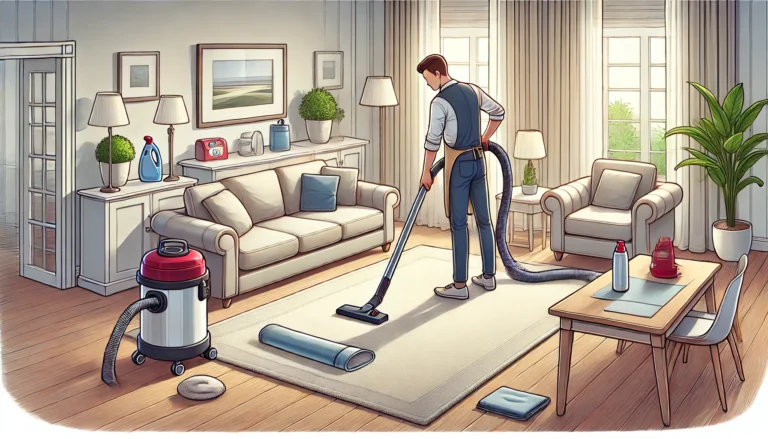
Many people think that carpets need to be shampooed regularly to stay clean, but over-shampooing can actually do more harm than good.
- The Truth: Frequent shampooing can leave behind soap residue that attracts dirt, making carpets look dirty again quickly. It can also weaken carpet fibers and shorten their lifespan.
- What Works: Vacuum carpets regularly and spot clean stains as needed. Have carpets professionally cleaned once a year, or as recommended by the manufacturer.
8. Myth: Baking Soda and Vinegar Can Unclog Drains
The combination of baking soda and vinegar is often suggested as a natural drain cleaner, but it’s not always effective.
- The Truth: While baking soda and vinegar can create a fizzy reaction, they’re not strong enough to dissolve serious clogs. In some cases, they can even worsen the problem by causing a build-up of debris.
- What Works: Use a plunger or a drain snake for clogs. For tough clogs, consider using a chemical drain cleaner or calling a professional plumber.
9. Myth: Lemon Juice is a Great Cleaner for Everything
Lemon juice is often recommended as a natural cleaner, but it’s not suitable for all surfaces.
- The Truth: Lemon juice is acidic and can damage certain surfaces like natural stone, wood, and some metals. It’s also not effective for disinfecting surfaces.
- What Works: Use lemon juice for deodorizing and removing stains on safe surfaces like plastic and glass. For other surfaces, choose a cleaner designed for that material.
Conclusion
Understanding what works and what doesn’t can make your cleaning routine more effective and help you avoid damaging your home. By debunking these common cleaning myths, you can focus on using the right products and techniques to keep your home clean and well-maintained. Always consider the material and purpose of each cleaning task, and choose products and methods that are safe and effective.
For more helpful cleaning tips and advice, visit the Natly Services Blog. Also, if you’re looking for a professional cleaner in the Northamptonshire area, get in touch with us today using our contact form.